Source Eco Friendly Folding Headphone Case for Travel, Storage, and Protection
Explore 30 options for an eco friendly folding headphone case designed for travel, storage, and protection. Compare features like waterproof EVA construction, custom logo printing, and shockproof durability to find the right supplier for your needs; compare the available evidence and request quotations based on your requirements.
Key considerations
Products List


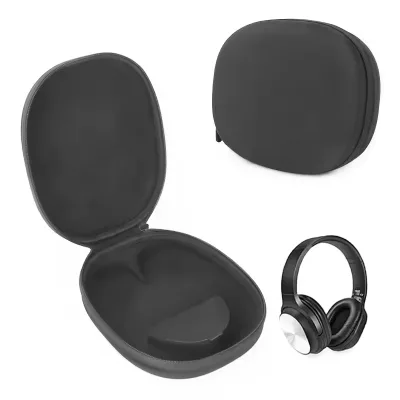
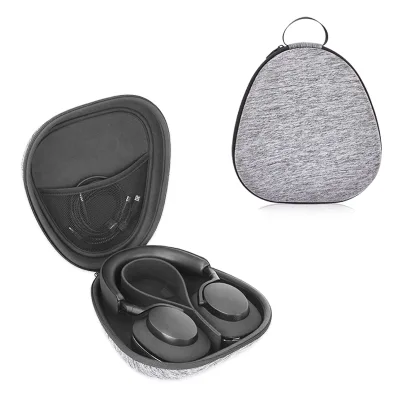
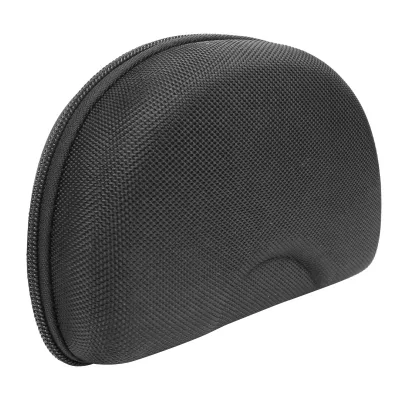
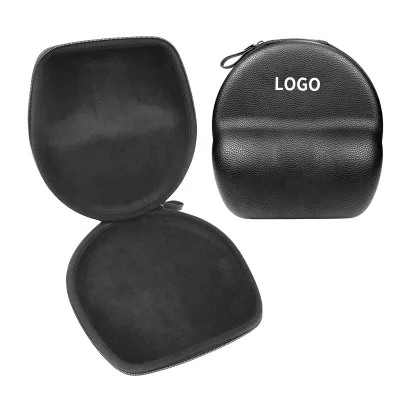
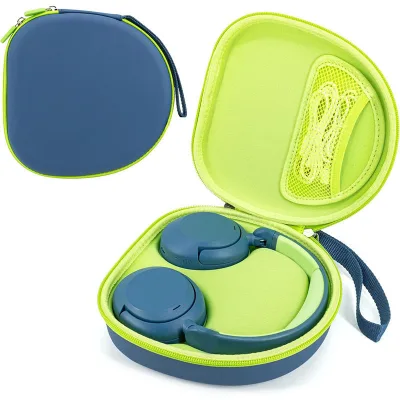
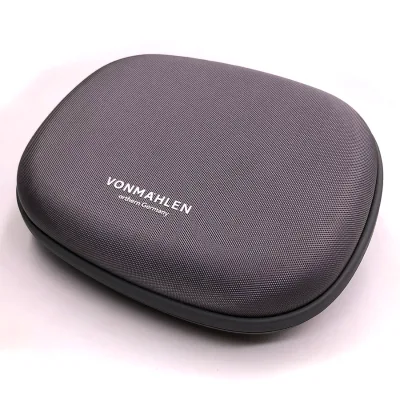
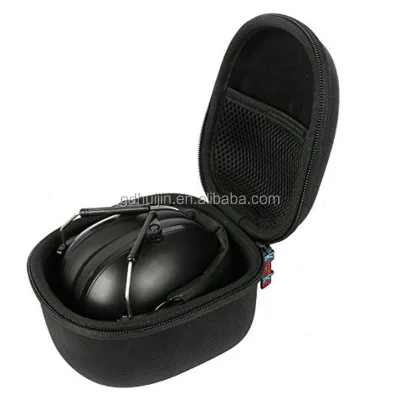
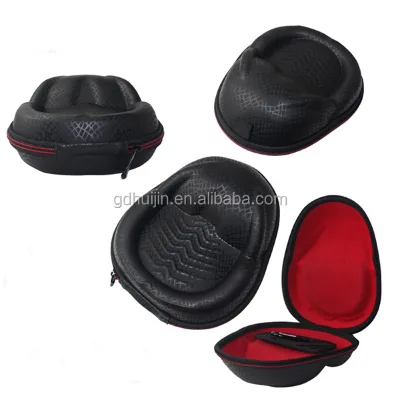


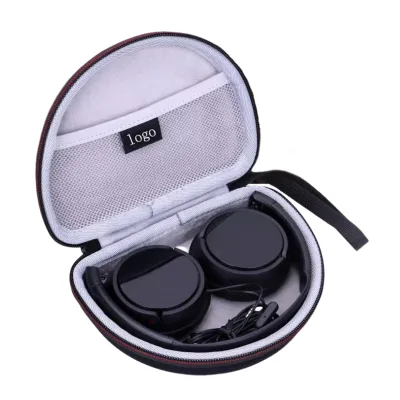
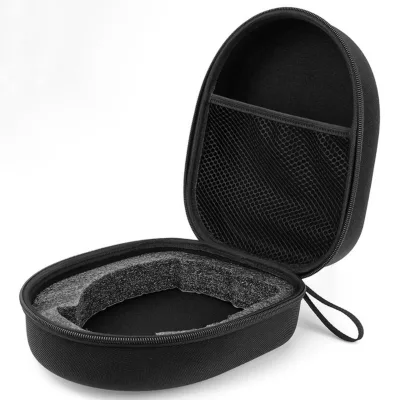


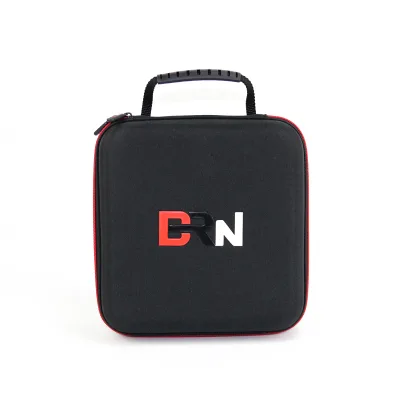

Comprehensive Sourcing Guide
Eco Friendly Folding Headphone Case Sourcing Guide
Procuring eco-friendly folding headphone cases requires balancing sustainable material claims with the structural integrity needed for travel protection. Buyers must distinguish between marketing terms and verifiable material compositions, such as EVA or polyester blends, which offer varying degrees of durability and environmental impact. The market presents options ranging from hard-shell protective cases to softer, foldable designs, each serving different logistical and aesthetic needs. Understanding these distinctions is critical for aligning product selection with brand values and customer expectations regarding both protection and sustainability.
Sourcing decisions should also account for customization capabilities, including logo printing and color options, which are frequently available from manufacturers in regions like Guangdong, China. While many suppliers offer OEM and ODM services, verifying the actual environmental credentials of the materials used is essential. Buyers should prioritize suppliers who provide transparent information about their production processes and material sourcing, ensuring that the "eco-friendly" label is supported by tangible evidence rather than vague assertions. This diligence helps mitigate risks associated with greenwashing and ensures compliance with corporate social responsibility goals.
Product Scope and Observed Listing Signals
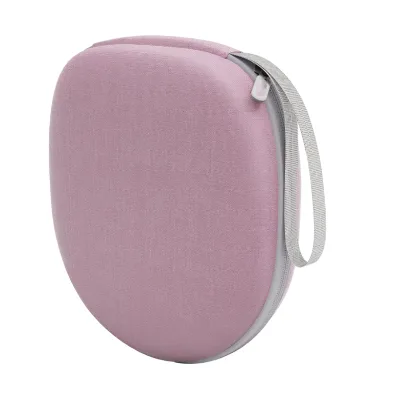
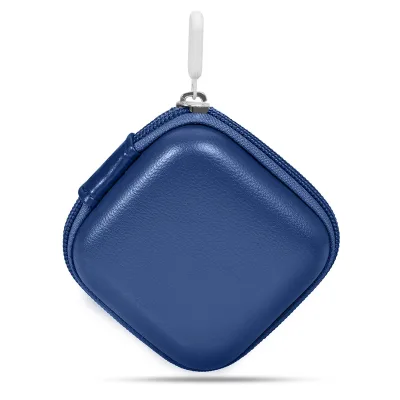
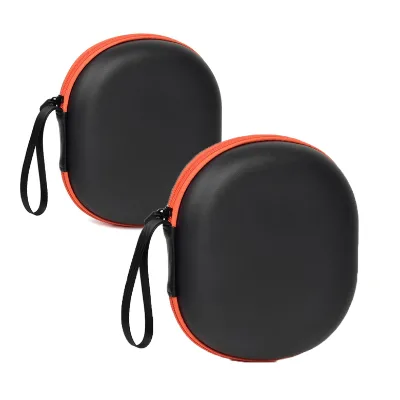
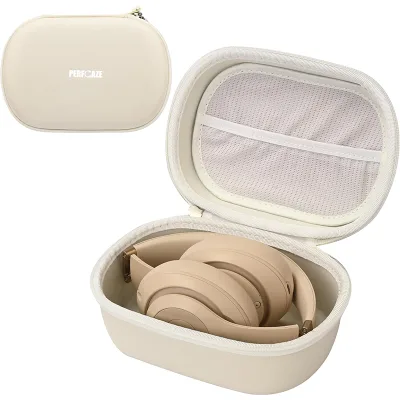
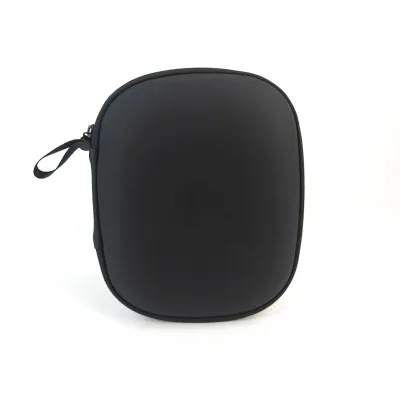
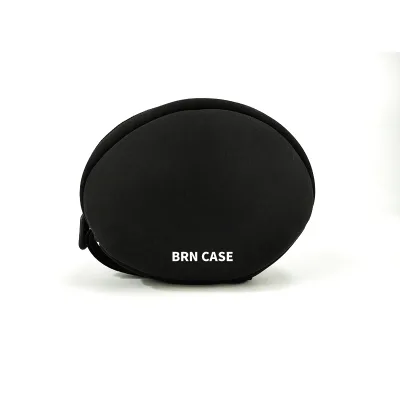
The current market landscape for headphone cases includes a diverse array of products, with observed listings featuring materials such as EVA and polyester blends. These materials are often highlighted for their protective qualities, offering shockproof, dustproof, and waterproof functionalities that are essential for travel and outdoor use. Listings frequently indicate that products are available in multiple colors, including black, white, brown, and blue, allowing for brand-specific customization. The presence of zipper closures and various shapes, such as square and oval, further expands the scope of available options for different headphone models.
Observed price ranges and minimum order quantities (MOQs) suggest a competitive market with entry points for various business sizes. Prices typically range from low to mid-tier levels, with MOQs often starting at 100 to 1000 pieces, though some suppliers may require higher volumes for customized orders. Production times are generally around 20 days, with sample availability often taking 5-7 days. These commercial signals indicate that buyers can expect reasonable lead times and flexible ordering options, provided they plan ahead for customization and production schedules.
Technical Specifications to Verify
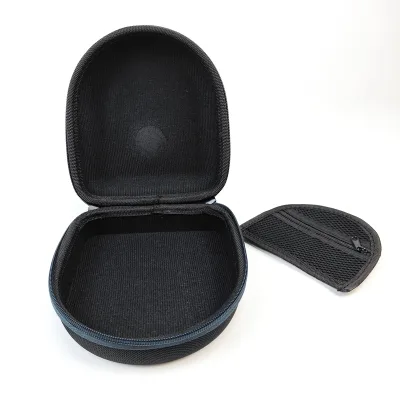
When evaluating technical specifications, buyers should focus on the material composition and structural design of the cases. EVA-based cases are noted for their partial hardness and durability, making them suitable for protecting headphones from impacts and environmental factors. In contrast, polyester and velvet combinations may offer a softer, more luxurious feel but might require additional verification for water resistance and shock absorption. It is crucial to confirm whether the case is truly waterproof or merely water-resistant, as this distinction impacts its suitability for outdoor and travel applications.
Dimensions and packaging details are also critical technical aspects that influence logistics and storage efficiency. Single package sizes and gross weights vary, with some cases measuring around 29x12x25 cm and weighing approximately 0.5 kg. Buyers should verify these specifications to ensure compatibility with their shipping and storage requirements. Additionally, the availability of custom sizes and models, such as EC26317 or EC2537, allows for tailored solutions, but buyers must confirm that these customizations do not compromise the case's protective capabilities or aesthetic appeal.
Compliance and Safety Documentation
Compliance and safety documentation are vital for ensuring that headphone cases meet regulatory standards and corporate sustainability goals. While specific certifications like GOTS or FSC are mentioned in some contexts, buyers should verify the actual certification status of their suppliers, as these are not universally applied to all headphone cases. It is important to request documentation that confirms the materials used are free from harmful substances and meet relevant safety standards for consumer products. This due diligence helps prevent potential legal issues and enhances brand credibility.
Buyers should also inquire about the environmental impact of the production processes, including energy usage and waste management practices. Suppliers who are transparent about their manufacturing methods and hold relevant environmental certifications are more likely to deliver on "eco-friendly" claims. Additionally, verifying the origin of the materials, such as whether they are sourced from sustainable forests or recycled sources, can provide further assurance of the product's environmental credentials. This comprehensive approach to compliance ensures that the final product aligns with both regulatory requirements and consumer expectations.
Cost Drivers and Commercial Terms
Cost drivers for eco-friendly headphone cases include material selection, customization complexity, and order volume. EVA and polyester materials vary in price based on quality and sourcing, while customization options like logo printing and color matching can add to the overall cost. Buyers should negotiate clear commercial terms that outline pricing structures, payment methods, and delivery schedules. Understanding these cost drivers helps in budgeting accurately and avoiding unexpected expenses during the procurement process.
Minimum order quantities (MOQs) and production lead times are significant commercial factors that impact cash flow and inventory management. Suppliers may offer different MOQs based on the level of customization required, with higher volumes often resulting in better unit prices. Production times, typically around 20 days, should be factored into supply chain planning to ensure timely delivery. Buyers should also consider the availability of samples, which can take 5-7 days, as a means to validate quality before committing to larger orders.
Supplier Qualification and Quality Control
Supplier qualification is a critical step in ensuring the reliability and quality of eco-friendly headphone cases. Buyers should assess suppliers based on their production capabilities, quality control processes, and commitment to sustainability. Verifying the supplier's location, such as Guangdong, China, can provide insights into their manufacturing expertise and logistical advantages. Additionally, checking for OEM and ODM acceptance indicates the supplier's flexibility in meeting specific brand requirements.
Quality control measures should include regular inspections of raw materials, production processes, and finished products. Buyers should request quality assurance documentation and, if necessary, conduct third-party inspections to verify compliance with agreed-upon standards. Establishing clear communication channels with suppliers ensures that any issues are addressed promptly, maintaining product quality and delivery timelines. This proactive approach to supplier management helps build a robust supply chain that supports long-term business success.
Long-Term Procurement Checks
Long-term procurement checks involve continuous monitoring of supplier performance and product quality to ensure sustained compliance with business goals. Buyers should establish key performance indicators (KPIs) related to delivery times, product quality, and customer satisfaction to evaluate supplier effectiveness. Regular audits and feedback loops help identify areas for improvement and foster a collaborative relationship with suppliers. This ongoing evaluation ensures that the procurement process remains efficient and aligned with evolving market demands.
Sustainability metrics should also be tracked over time to verify the ongoing environmental impact of the products. Buyers should request regular updates on material sourcing and production practices to ensure that eco-friendly claims remain valid. Additionally, staying informed about industry trends and regulatory changes helps buyers adapt their procurement strategies accordingly. By maintaining a proactive and informed approach, buyers can secure a reliable supply of high-quality, sustainable headphone cases that meet both current and future business needs.
FAQs
Can I get a customized logo on the case?
Yes, customized logos are available for this product. The listing confirms that logo printing is offered with options for a customized logo design. This allows buyers to brand the black, white, or brown cases according to their specific corporate identity needs.
What is the minimum order quantity required?
The minimum order quantity is 500 pieces for this item. While some observed listings show ranges between 100 and 1000, the specific product fact states 500 PCS as the standard threshold. Buyers should verify this limit before placing bulk orders for travel storage.
How long does production take for these cases?
Production time is around 20 days for standard orders. This timeline applies to the manufacturing of the hard shell cases made from EVA and polyester materials. Buyers should plan their inventory accordingly to ensure timely delivery for travel or outdoor storage needs.
What materials are used to make the case?
The case is constructed from EVA and polyester with a velvet interior. Some variations also include a combination of polyester and velvet for added comfort. These materials ensure the product remains durable, shockproof, and eco-friendly while protecting headphones during transport.
Is the case waterproof and shockproof?
Yes, the case is designed to be waterproof, shockproof, and dustproof. These features protect headphones from water, impacts, and dust during travel or outdoor activities. The hard shell construction provides reliable protection for valuable audio equipment in various environments.
Can I request a custom size for the case?
Yes, custom sizes are available for this headphone case. The product specifications list custom size as an option, allowing buyers to tailor dimensions to specific headphone models. This flexibility supports unique storage requirements while maintaining the eco-friendly and durable characteristics of the product.
What colors are available for the headphone case?
Multiple colors are available including black, white, brown, gold, red, blue, beige, and silver. Some listings also mention customized color options to match brand preferences. Buyers can select from these standard palettes or request specific customizations for their bulk orders.